
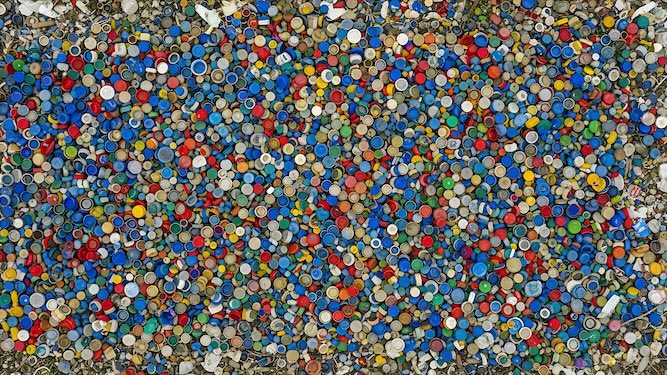
THE human body is apparently not as saturated with microplastics as middle-class hysterics claimed and the rest of us ignored. These were also bollocks:
E-numbers
Every educated family’s bookshelf in the late 1980s held the red-and-yellow spine of E Is For Additives, the vulgar colours tolerated because of the vital message it carried that your child’s misbehaviour was nothing to do with your parenting but evil E-numbered food additives. They were removed. Turns out that wasn’t the E those parents needed to worry about.
Microplastics
Thrilled with the size of the headlines they got in posh newspapers, overconfident scientists were soon claiming 20 per cent of the human brain and 92 per cent of every ejaculation was composed of microplastics and people were essentially Barbies. They’d done the tests wrong. That doesn’t make the ejaculate any more palatable.
Ultra-processed food
The latest one. Food sold in shops has all kinds of preservatives, sweeteners and emulsifiers in it to make it last a while. All these things could – maybe, it’s not really proven or anything and in fact there’s a lot of evidence against it – be bad for you. So why not make fresh middle-class foods in a nice kitchen with an island and feel superior instead?
Cellphone masts
A quarter-century ago when cellphones were new and witchcraft, every aspirational neighbourhood formed a group to stop one being built near them. The harmful rays agitated your free radicals and damaged your DNA, leaflets that were the well-heeled equivalent of a rough estate’s paedophile scare said. Now? They’re fine now.
Macrobiotic diets
Balancing the yin and yang of foods and cookware, 1970s children of hippy parents were subjected to diets of brown rice and beans to bring balance to nature. Instead they grew up in a constant, thick fug of flatulence impossible to even see through and had to sneak healthy, nutritious Wham bars from friends at school.
Chemicals
At a certain level of moneyed vagueness, ‘chemicals’ is all you need. You’re sensitive to them in a way that others aren’t. You can feel their malevolent presence hovering and consequently must move to the country even if your husband now has a four-hour commute. ‘There are no chemicals in nature,’ you say, with the confidence of an arts graduate.
